Two Mugs, One Kettle: CBD at Home When Your Partner Is Only Curious
Photo: Sage Ross, CC BY-SA 2.0, via Wikimedia Commons
A CBD bottle can take up very little shelf space. The conversation around it can feel much larger. One person is reading labels and wondering about a quiet evening ritual; the other is not convinced, not interested, or simply wants nothing to do with it. None of those positions is a problem in itself. The trick is to make room for both without turning the kitchen into a debate club.
Start with the kettle, not the product
If you are the curious one, resist the urge to open with a mini-lecture on cannabinoids. Make tea. Say what you are thinking in plain language: 'I am curious about trying a small amount of CBD oil in the evening. I am not asking you to try it.' That last sentence matters. It gives the other person a clear exit and lowers the temperature.
If you are the one who is not interested, you are allowed to say so. 'I am not ready' and 'I would rather not' are complete answers. You do not have to justify them with a research paper. A household works better when curiosity is optional.
Keep the shelf honest
If one person uses CBD and the other does not, separate storage is a kindness. Keep the oil or edibles in their original packaging, on a shelf the other person does not have to rummage through. Label anything that could be confused with food. CBD edibles should not sit in an unmarked tin next to the flapjacks. That is not about distrust; it is about avoiding a surprise.
A small lockable box can be useful in homes with children, visiting teenagers or pets. Keep the dropper clean and do not share it between people. If two people do use CBD, give each person their own bottle or at least their own dropper. Write the strength and the date opened on a bit of tape if the label is hard to read. Keep the batch number and any lab report somewhere sensible.
The shared ritual does not need a shared dose
This is the part people often miss. You can have a calm evening ritual together without both people taking CBD. The kettle goes on. The big light goes off. One person takes a small serving according to their product label; the other has a herbal tea. Nobody comments on the taste. Nobody asks, 'Do you feel it yet?' The ritual is the shared bit, not the bottle.
If the curious partner wants to try something, let it be their decision and their timing. Do not put CBD into a shared meal, a drink or a dessert as a surprise. Do not leave a droplet on a spoon for someone to taste 'just to see'. Consent matters, and so does the fact that CBD can interact with medicines.
A useful household agreement is a short curiosity window: once a week, over tea, the interested person can ask questions without the other person having to defend their choice. Outside that window, the topic rests.
Questions a curious UK beginner might ask
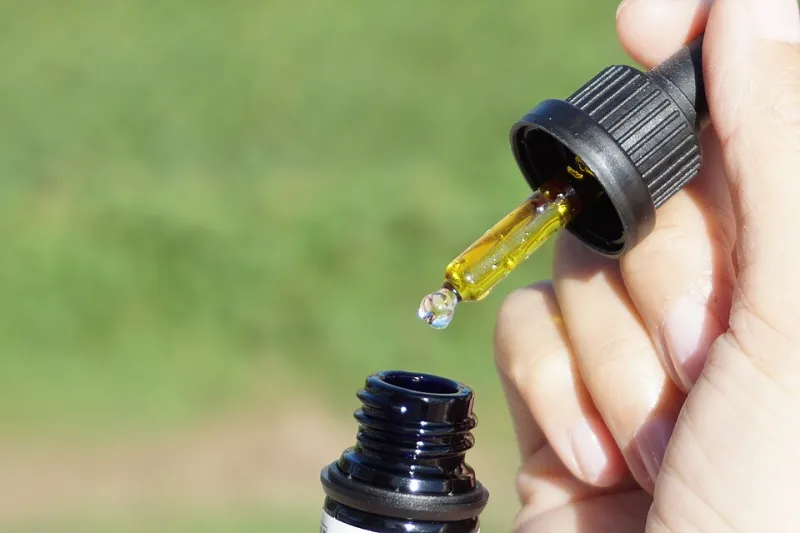
What does it taste like? Oils vary, but many are earthy or grassy. Some people take it under the tongue; others prefer to follow the label and mix it with food. Texture and taste are personal.
Will it make me high? CBD products sold in the UK are not designed to produce a high. A reputable seller should provide a batch-specific lab report, and you can ask about THC content before buying. If a product makes claims that sound medicinal, treat that as a prompt to check the paperwork.
Is it legal? CBD is widely sold as a food supplement in the UK, but the rules are not a free-for-all. Look for clear labelling, a UK seller with a real address, and a lab report you can actually read. It is not a licensed medicine.
How much should I take? There is no universal beginner dose. Follow the product label, start with a small amount, and keep a note of what you notice. Do not borrow a friend's bottle and guess.
Can I take it with my medication? Ask a pharmacist or GP. This is especially important if you take prescription medicines, are pregnant or breastfeeding, or are under 18.
Will it show on a drug test? No one can promise you a clean result from a shop-bought product. If your job has testing, check your workplace policy and ask the seller for batch documentation.
Can I drive? Do not drive if you feel drowsy or impaired. If you are unsure, do not drive.
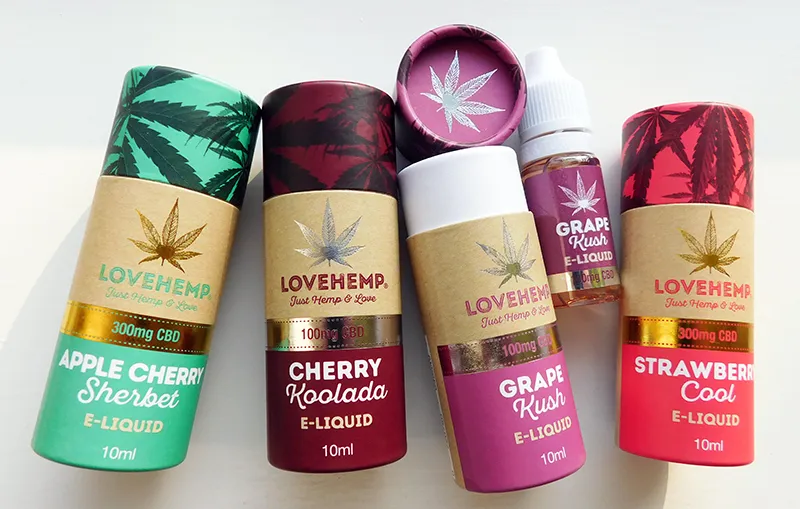
What about the cost? Compare cost per milligram, not just the price on the bottle. A cheap 10ml bottle can be poor value if the strength is low. A buying guide is useful, but the label is the place to start.
If one of you is uneasy
Unease is information, not an obstacle to argue with. If your partner is worried about interactions, cost, legality or the idea of daily use, listen first. If the worry is medical, point them towards a pharmacist or GP rather than a forum thread. If the worry is simply 'I do not want this in my house', negotiate storage and boundaries rather than trying to win the point.
A temple for two does not need two identical routines. It needs two mugs, a clear shelf, and the freedom to say yes or no without a lecture. That is a calm household, with or without CBD.