Your Cupboard, Reconsidered: A Room-by-Room CBD Shelf Audit for 2026
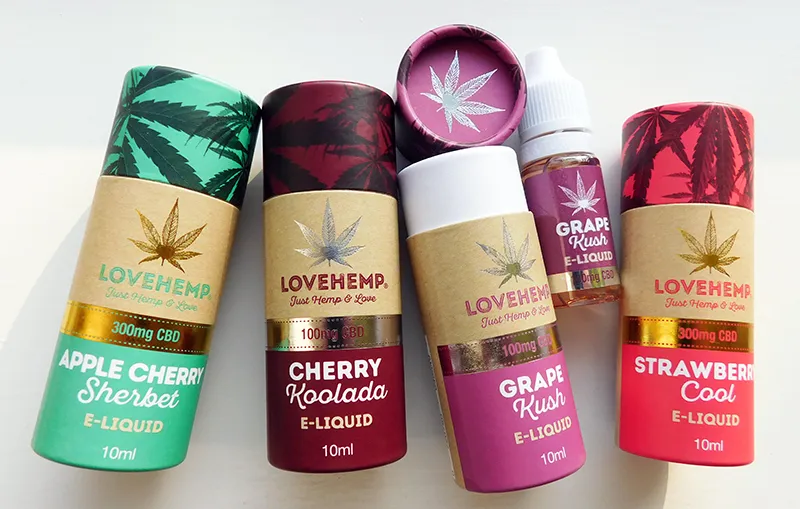
Photo: Ecig Click, CC BY-SA 2.0, via Wikimedia Commons
There is a particular kind of British optimism that keeps a half-used bottle of CBD oil behind the teabags 'for best'. It sits there through one kitchen reorganisation and another, quietly going past its best-before date while you reach for a fresh cup of tea. This is not a moral failing. It is just a shelf that has never had a proper audit.
Think of this as a temple tidy for your cupboard: a gentle, room-by-room review of what you already own. The aim is not to bin everything and start again. It is to keep what is good, retire what is past it, and rebuy only what genuinely earns its place in your routine.
Start with the oldest bottle, not the newest
Begin at the back of the shelf. The oldest bottle is usually the one that tells you the most. Check the best-before date, the batch code and any 'once opened, use within' guidance on the label. If the label is missing or unreadable, treat that as a sign to be cautious rather than clever.
CBD products are not immortal. Oils, edibles and capsules all have a shelf life, and that life shortens once air, heat or light gets involved. A bottle bought in early 2026 may still be fine; one opened in 2024 and stored beside the hob is probably not the bargain you think it is.
Oils: the fridge-door question
CBD oils are the heart of many routines, so they deserve the closest look. Keep an oil if the bottle is sealed, in date and stored somewhere cool and dark. Once opened, follow the label. Some oils are happy in a cupboard; others are better in the fridge. The important thing is consistency: not the windowsill, not above the kettle, and not on a shelf that gets direct sun for half the day.
Toss an oil if it smells noticeably different from when you bought it, looks cloudy in a way that is not normal for that product, or has been sitting open and uncapped for months. A faint change in smell is one thing; a rancid, sharp or unpleasant smell is your cue to let it go. When in doubt, do not dab it on your wrist to 'test' it. Bin it.
Edibles: sweets, gummies and the moisture problem
Edibles are charmingly convenient and quietly vulnerable. Gummies and sweets can absorb moisture, stick together or go hard at the edges. Chocolate can bloom or soften. Biscuits and baked goods have their own timings, and a cupboard that swings between cold and warm is not kind to any of them.
Keep edibles that are in date, still sealed, and stored away from heat and damp. Toss anything with mould, a strange texture, a swollen wrapper or a smell that does not match the flavour. If a gummy has become a sticky lump and you cannot tell how old it is, that is not a ritual — that is a guessing game.
Capsules and softgels: the blister-pack check
Capsules are often the tidiest option on the shelf, which makes them easy to forget. Check the blister packs for damage. If the foil is pierced, the capsules have been loose in a dusty drawer, or the pack has been sitting in a warm bathroom cabinet, be wary. Softgels can become sticky or leak; hard capsules can crack or powder.
Keep capsules that are in date, dry and still in their original packaging. Toss any that are discoloured, stuck together, leaking or stored in a room that regularly turns into a mild sauna. Rebuy only if capsules are genuinely part of your routine — not because they look neat in a drawer.
Storage mistakes that quietly shorten shelf life
A few everyday habits do more damage than people expect:
- Storing CBD beside the hob, kettle or radiator, where heat cycles up and down.
- Leaving bottles on a sunny windowsill because they look nice there.
- Keeping products in the bathroom, where steam and humidity do their work.
- Decanting oils or edibles into unlabelled containers and losing the date.
- Topping up an old bottle with a new one, which muddles freshness and dosage.
None of these are dramatic. That is the point. Shelf life rarely ends with a bang; it usually ends with a quiet decline.
Signs a product has had its day
Use your senses and your common sense. Look for changes in colour, texture, smell or packaging. Check for mould, leaks, bloated packs, broken seals or capsules that have fused together. If the product no longer looks or smells like the thing you bought, do not use it. A calm routine should not involve a gamble.
The keep, toss, rebuy checklist
Keep it if it is in date, stored well, sealed or recently opened, and still looks and smells normal. Toss it if it is past its date, damaged, mouldy, leaking, discoloured, or has been stored somewhere hot or damp. Rebuy it only if it is a product you actually use at least a few times a week and it fits your routine.
A simple rule: one open oil, one back-up at most, and edibles that you will finish before they become a science experiment. That is usually enough for a calm shelf.
A calmer way to rebuy
When you do rebuy in 2026, buy for the routine you have, not the routine you keep meaning to start. If you use oil most evenings, replace oil. If capsules are your workday habit, replace capsules. If edibles are an occasional weekend thing, buy a smaller pack. And always check the label, batch and storage instructions before you put anything back on the shelf.
Your cupboard does not need to be a museum of good intentions. It needs to hold what you will actually use, safely and calmly. That is a shelf worth keeping.