Beyond the Bottle Glow: A UK Shopper's Guide to CBD Cost Per Milligram
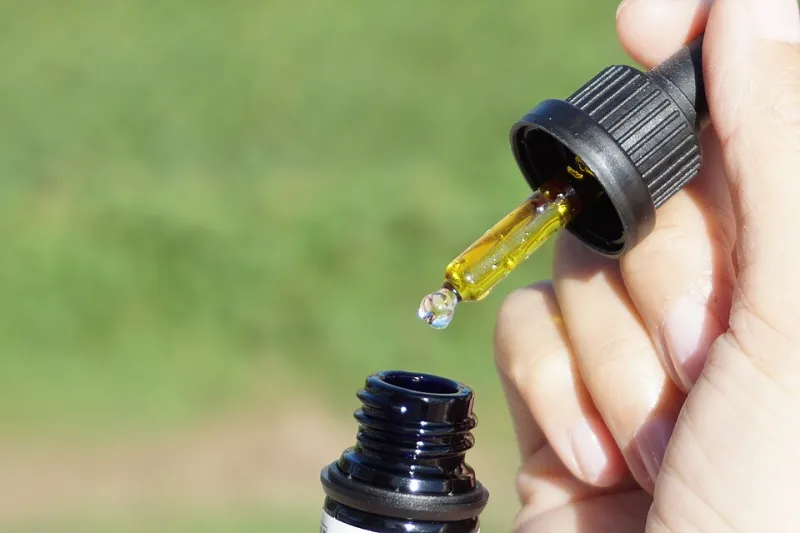
Photo: Elsa Olofsson, CC BY 2.0, via Wikimedia Commons
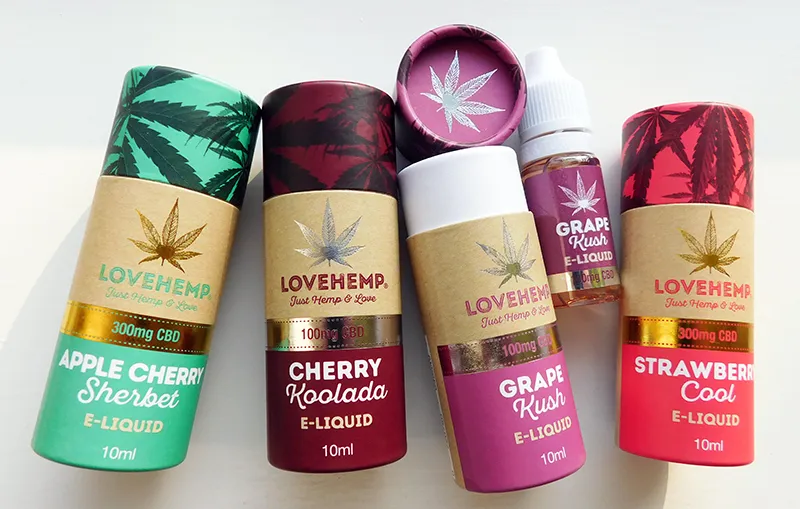
A matte bottle, a gold dropper, a quietly serious font. CBD packaging is very good at making a product feel expensive. In 2026, UK shelves and online shops are full of oils that look like they belong in a spa, and some of them are genuinely lovely. But the glow of the bottle tells you almost nothing about how much CBD you are actually buying. That is where price per milligram comes in.
Price per milligram is not the only thing that matters. It is simply the clearest starting point for comparing two CBD oils without getting lost in the packaging. Once you know the cost per milligram, you can ask better questions about carrier oils, testing and bottle size. You can also spot when a bargain is not a bargain at all.
The only sum you need first
The formula is simple: total price divided by total CBD milligrams in the bottle equals the cost per milligram.
For example, imagine a £20 bottle containing 250mg of CBD. That works out at 8p per milligram. Now imagine a £60 bottle containing 3000mg. That is 2p per milligram. The £60 bottle is more expensive at the till, but it is much better value per milligram. Flip the numbers and you can see the opposite: a £20 bottle with only 100mg is 20p per milligram, which is expensive for what it is.
These are illustrative examples, not product recommendations. The point is to move the conversation away from the headline price and towards the amount of CBD inside. A high price can reflect a larger bottle, a higher strength, third-party testing, a particular carrier oil or simply a brand's marketing budget. You cannot tell which until you do the sum.
Why bottle size and strength trip people up
A label that says 500mg can be confusing. It usually means 500mg of CBD in the whole bottle, not 500mg per drop. A 10ml bottle with 500mg is a different product from a 30ml bottle with 500mg. The first is more concentrated; the second is more diluted, even though the front-of-bottle number is the same.
This is why it helps to note three numbers together: total CBD milligrams, bottle size in millilitres, and price. From there you can work out milligrams per millilitre and cost per milligram. If you are comparing a small bottle with a large one, the cost per milligram will often reveal the real difference. A larger bottle may be cheaper per milligram, but only if you will actually use it before it goes off or loses its appeal.
Carrier oil is part of the value, not just the flavour
CBD oils usually use a carrier oil such as MCT coconut oil, hemp seed oil or olive oil. MCT is often chosen for its light texture and neutral taste. Hemp seed oil brings a nuttier, more plant-like flavour. Olive oil can feel richer and thicker. Some people have clear preferences; others do not mind.
Carrier oil can affect the experience and the price, but it does not automatically make one oil better than another. A fancy carrier oil is not a reason to ignore the cost per milligram. Check for allergens too, especially if you are sensitive to coconut or other ingredients. If two oils have a similar cost per milligram, the carrier oil and your personal taste may become the deciding factor.
Testing transparency belongs in the value calculation
Imagine two oils at the same price per milligram. One has a batch-specific lab report you can view before buying. The other says lab-tested on the label but offers no batch details. The first is usually the better value, because transparency is part of what you are paying for.
A useful lab report, often called a certificate of analysis or COA, should match the batch on the bottle. It should show the cannabinoid content and contaminant testing. You do not need to be a scientist to use it. You just need to see that the brand can show its workings. In the UK, CBD products are also part of the novel foods framework, so it is reasonable to look for clear, current information rather than vague claims.
Marketing claims that deserve a second look
Premium is a mood, not a measurement. It can mean lovely packaging and excellent customer service, or it can mean very little beyond the price tag. Full spectrum is another phrase to read carefully. It tells you something about the extract, but not about the amount of CBD in the bottle. You still need the milligrams.
Water-soluble is a claim that may justify a higher price if that format matters to you, but compare the cost per milligram first. Organic is worth checking for a recognised certification rather than assuming from the word alone. Doctor-formulated and clinical strength sound authoritative, but they are not standardised doses. Limited batch can create urgency; it is not a reason to skip the sum.
None of this means expensive products are bad. It means the price tag is doing two jobs: paying for the product and telling a story. Your job is to separate those two things.
A simple comparison checklist
- Total CBD milligrams in the bottle
- Bottle size in millilitres
- Cost per milligram, using price divided by total milligrams
- Milligrams per millilitre, if you want to compare concentration
- Carrier oil and any allergens
- Batch-specific lab report available before purchase
- Clear serving guidance on the label
- Returns policy and delivery costs
- Whether the brand answers questions plainly
Where cheap can be false economy
A low price can be a happy find, but only if you know what is inside. A £15 bottle with 100mg is 15p per milligram, which is expensive for a small amount of CBD. A £45 bottle with 3000mg is 1.5p per milligram, which may be better value if the testing and format suit you. The cheaper bottle is not cheaper per milligram just because it costs less at the till.
The calm buying ritual
Take ten minutes with a calculator, or use the one on your phone. Compare two or three oils. Write down the total milligrams, the bottle size, the carrier oil and whether the lab report is easy to find. Then choose the one that fits your budget and your routine, not the one with the most persuasive label.
CBD is not a medicine, and this guide is not medical advice. If you are pregnant, breastfeeding, taking medication or managing a health condition, speak to a pharmacist or GP before trying CBD. A calm purchase is a clear purchase: know the milligrams, know the price per milligram, and let the packaging be the last thing you notice.