Small Bottles, Clear Labels: A Calm Trial Run for Your First CBD Oils
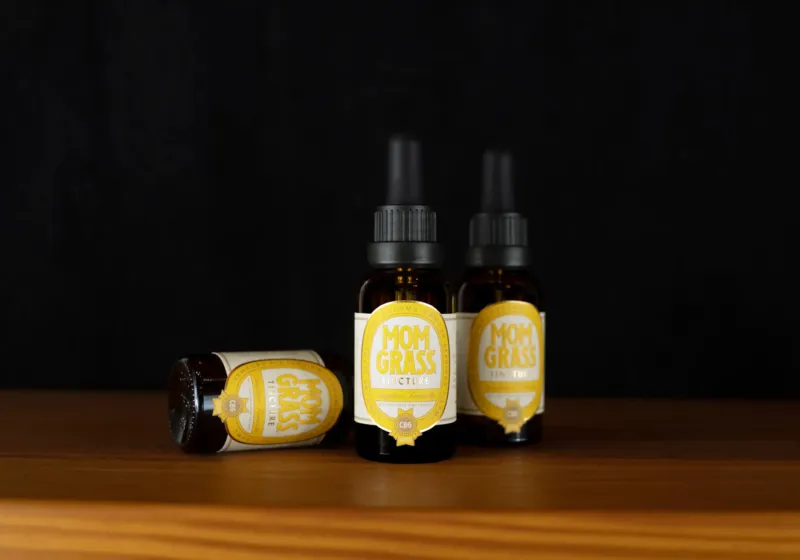
There is a quiet moment, usually a few weeks after your first CBD purchase, when you open the cupboard and realise you have a small collection of bottles you barely remember buying. One was a gift, one was on offer, one had a label you liked. None of them are empty. That is the bottle graveyard, and it is easy to end up there when you are still learning what suits you.
The kinder approach is a sample drawer: a small, deliberate trial of a few oils in the smallest sensible sizes, each one labelled, each one given a fair run, and each one reviewed before you buy again. It is not about collecting. It is about learning.
Why small sizes make sense when you are new
CBD oils in the UK commonly come in 10ml bottles, with some brands offering 5ml or 15ml sizes. A 30ml bottle often looks like better value, and per milligram it usually is. But value only counts if you finish the bottle. When you are still working out whether you prefer a morning oil to an evening one, or whether a higher strength suits your routine better than a lower one, a small bottle is a cheaper lesson.
Look at the total CBD in the bottle, not just the millilitres. A 10ml bottle at 10mg per ml contains 100mg of CBD. A 10ml bottle at 30mg per ml contains 300mg. The price per milligram is the honest comparison, but the smallest bottle is often the smarter first step. You are paying a little more per milligram for the privilege of not wasting a large bottle you do not enjoy.
Pick a sensible first pair, not a collection
Two oils are plenty for a first trial. One might be a lower strength for daytime and one a higher strength for the evening, or two from different brands with different carrier oils. Keep the rest of your routine steady. Changing oil, strength, time of day and dose all at once tells you very little.
Before you pay, check the label for the batch number and a lab report you can actually open. In the UK, a reputable retailer should make that information easy to find. If the website is all mood lighting and no paperwork, that is your first clue.
The label ritual: date, dose, drop count
A strip of masking tape and a pen will do. On each bottle, write the date you started it, the CBD content per ml, and the amount you plan to take each day. Add the time of day you intend to take it. This tiny act takes thirty seconds and turns a vague purchase into a proper trial.
Keep the original box or a photo of the batch label if you can. Store bottles upright in a cool, dark cupboard, away from the kettle steam and the radiator. CBD oil does not need the fridge, but it does not thrive in a warm kitchen either.
Give each bottle a two-week window
Two weeks is long enough to notice whether a routine sticks and short enough that you are not forcing down a bottle you dislike. Choose a daily amount and stay with it for the fortnight. Do not double up halfway through because you are impatient. Consistency is the whole point.
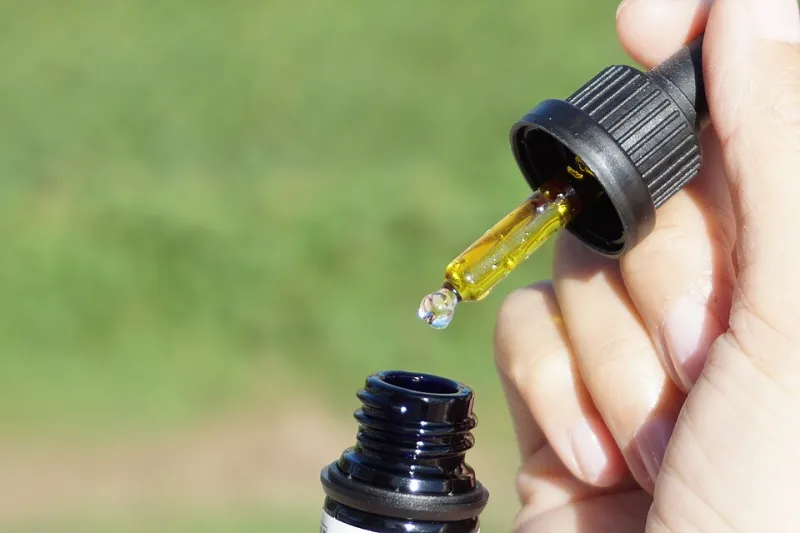
Take it at the same time each day if you can. Hold the oil under your tongue for a minute or so, as most labels suggest, then swallow. If you are taking any medication, speak to your GP or pharmacist before starting CBD. This is not a medicine, and it is not a substitute for one.
What to jot down, and what to ignore
Keep notes simple. A date, a time, the number of drops, how you felt an hour later, and how you slept that night. Add anything odd: a dry mouth, a headache, a wave of tiredness. Do not chase a dramatic feeling. Most people are looking for a subtle shift, not a fireworks display.
Ignore the marketing language on the bottle. Ignore the influencer who says you must take a certain number of drops. Your notes are the useful data here, even if they are messy and written in pencil.
The review: keep, pause, or pass
After fourteen days, sit down with the bottle and your notes. Ask three questions. Did I actually stick to the routine? Did I look forward to it, or did it feel like a chore? Would I spend my own money on this again?
If the answer is yes, you have earned the right to buy a larger size next time. If you are unsure, pause the bottle and try the other one. If it did not suit you, pass it on to the back of the shelf and finish it only if you want to. Do not force it. A half-used bottle is not a failure; it is information.
A smaller shelf, not a graveyard
The aim is a sample drawer that shrinks as you learn, not one that grows every time a new label catches your eye. Once you know what suits your morning and your evening, you can settle into one or two regular bottles and stop browsing quite so often.
There is something calming about a shelf with two labelled bottles on it, both of which you chose on purpose. That is the quiet reward of a proper trial run: fewer bottles, clearer notes, and a routine that actually fits your day.