When Tuesday Feels Like Friday: Anchoring CBD to Meals and Sleep, Not the Clock
Shift work has a way of making Tuesday feel like Friday and 7am feel like midnight. For nurses coming off a night rota, warehouse teams on rotating patterns, hospitality staff finishing late, or carers whose day starts before the rest of the street wakes up, the standard CBD advice can feel strangely irrelevant. Most routines assume a neat little day: breakfast at eight, dinner at seven, bed at eleven. Your week may not look like that at all.
At CBD Temple, we like a calmer approach. Instead of building a CBD routine around the clock, build it around anchors — the events that actually repeat in your day, whatever the rota says. The aim is not to chase a perfect schedule. It is to give yourself a few gentle, repeatable moments that travel with you when your shifts move.
Start With Anchors, Not Timestamps
A useful anchor is anything that happens reliably around your wake-up, your main meal, or your wind-down. For one person that might be the first cup of tea after a sleep. For another it might be the bowl of cereal before a night shift, or the ten minutes after a shower when the house is finally quiet.
Try choosing just one anchor to begin with. You might take a small amount of CBD oil after your first meal of the day, or have an edible with your main meal before a shift. The point is not the exact hour on the clock. The point is that the same event keeps showing up, so your routine has something to hold on to.
This is especially helpful when your sleep window shifts. If you sleep during the day, your wind-down may happen at 8am rather than 10pm. That is fine. Call it your wind-down, not your evening, and let the ritual follow the event rather than the number on your phone.
Keep the Amount Small and Repeatable
With CBD, boring consistency is often more useful than dramatic experimentation. Start with a small amount, keep it the same for several days, and see how it sits with you. Oils usually come with a dropper, so read the label to understand how much CBD is in each drop or each millilitre. Edibles are different again: one sweet or capsule may contain a set amount, and it is easy to lose track if you graze.
The old rule of thumb — start low and go slow — is worth keeping. It is also worth writing down what you actually took, especially when shifts are changing. A quick note in your phone is enough: date, product, amount, and whether it was with food. No need for a spreadsheet unless you genuinely enjoy one.
And try not to top up simply because nothing has happened yet. Oils can act relatively quickly for some people, while edibles can take a while to show their hand. Giving an edible two quiet hours before deciding it is 'not working' is a reasonable pace. Stacking extra doses because the first one has not made itself known is a common way to overcomplicate a simple routine.
A Label Check You Can Do Half-Asleep
UK CBD labels are not always written for tired eyes. Look for the amount of CBD per drop, per ml, or per serving, rather than only the total size of the bottle. A 10ml bottle with 1,000mg of CBD is not the same as a 30ml bottle with 1,000mg, and the difference matters if you are measuring a small daily amount.
Check that the product states its THC level and comes with a batch-specific lab report. Reputable UK sellers should make this easy to find. Look at the ingredients, the expiry date, and any dosage guidance on the pack. If you are buying edibles, check how many pieces are in the pack and what each piece contains. If you are buying oil, check whether the dropper markings match the label instructions.
None of this needs to become a hobby. A thirty-second label check before you open a new bottle is enough, and it is especially useful when you are buying in a hurry between shifts.
Edibles Need Their Own Quiet Clock
Edibles are often appealing for shift workers because they are discreet and easy to take with food. But they deserve a little patience. Because they pass through the digestive system, they can take longer to be felt than oils. If you are trying an edible before a night shift, consider having it with your main meal and then getting on with your usual prep rather than watching the clock.
It also helps to keep edibles away from the 'just one more' trap. If your shift pattern has you awake at odd hours, it can be tempting to nibble again because the pack is there. A simple rule — one measured serving, then wait — keeps the routine clearer.
When the Rota Changes
Rotas move. Sleep moves. Meals move. Your CBD routine does not need to start from zero every time the pattern changes. Instead, move the anchor with the event. If you usually take oil after your first meal, keep doing that after your first meal — even if that meal is at 6pm instead of 8am.
A small notebook or phone note can help you spot patterns without turning your life into a clinical trial. Jot down three things: how you slept, how you felt in the middle of your shift, and anything you noticed about the CBD. Give it a week or two before reading too much into it. Shift work already brings plenty of ups and downs, so look for broad patterns rather than treating every tired Tuesday as evidence of anything in particular.
A Simple Shift-Proof Ritual
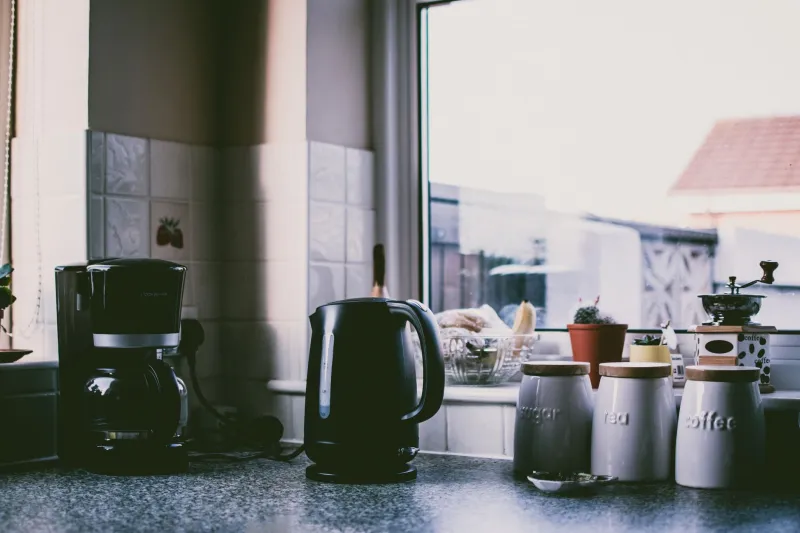
- Put the kettle on, or pour a glass of water. Let that be the cue.
- Check the label and measure your usual small amount.
- Take it with or after food if that suits the product.
- Note the time and amount in your phone.
- Move on with your day or your wind-down. The ritual is the anchor, not the whole day.
What Not to Expect
CBD is not a sedative, a sleep treatment, or a fix for a difficult rota. It will not reorganise your shifts for you. A calm routine is simply a way to add a consistent, low-key habit to days that are already full.
If you take medication, are pregnant or breastfeeding, or have a health condition, speak to a pharmacist or GP before starting CBD. Buy from UK sellers who provide clear labels and batch lab reports, and keep edibles and oils out of reach of children and pets.
The quiet point is this: consistency does not require a perfect clock. It requires a few anchors you can find again when the rota changes. Keep the amount small, keep the notes simple, and let the kettle — or the first meal, or the wind-down — be the thing that reminds you.