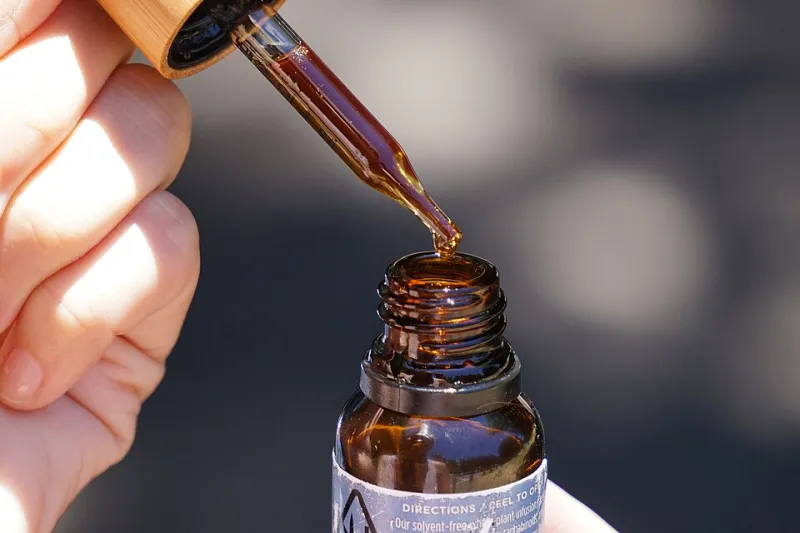
A Dark Shelf and a Little Label: The Quiet Art of Keeping CBD Fresh at Home in 2026
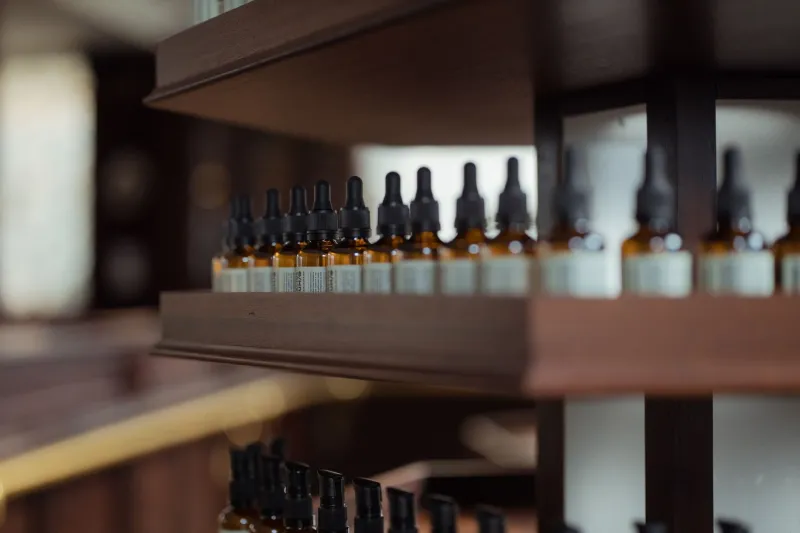
There is something quietly satisfying about a well-kept shelf. Not a showroom shelf, mind. A real one: a little dark corner beside the tea tin, a lidded box on the bottom shelf, a small labelled bottle that has a proper place to live. If CBD is part of your day, even loosely, it deserves that kind of home. Not because it is precious, but because calm routines tend to work better when the things involved are easy to find, easy to trust and not quietly cooking beside the radiator.
This is a practical guide for UK homes in 2026, where central heating clicks on unpredictably, bathrooms steam up after a shower, and the kitchen cupboard above the hob can feel like a mild sauna. No laboratory conditions required. Just a few sensible habits.
Why storage matters more than the label suggests
CBD oils, tinctures and edibles are not fragile in a dramatic way. You are unlikely to ruin a bottle by leaving it on the counter for an afternoon. But shelf life is not a single date on a label. It is a slow conversation between the product and its surroundings: light, heat, air and moisture. Over weeks and months, those things can nudge a product away from its best self. Oils may lose some freshness, flavours can shift, and edibles can go soft, stale or melted depending on what they are made from.
A sensible storage ritual is less about chasing perfection and more about reducing unnecessary stress on the product. Think of it as giving your CBD a quiet, stable corner rather than a dramatic one.
Light: the window shelf is not the friend it looks
A windowsill can seem ideal. It is out of the way, it looks tidy, and the bottles catch the morning sun. Unfortunately, light is one of the main things worth avoiding. Clear glass bottles are common in the CBD world, and repeated daylight exposure is not kind to oils over time. A bright kitchen windowsill in June is not the same as a dark cupboard in November.
You do not need a blackout vault. A cupboard door, a drawer, a tinted bottle inside a box, or a shelf away from direct sun is usually enough. If you like having your oil visible as a reminder, consider keeping the bottle inside a small opaque pouch or tin. Out of sight does not have to mean out of routine.
Heat: radiators, hobs and the warm cupboard problem
The kitchen cupboard above the oven is a classic British storage spot. It is also one of the warmest places in the house. Add a radiator-adjacent shelf, a spot beside the kettle, or a windowsill in a south-facing room during a heatwave, and you have a few gentle but repeated temperature swings.
For most CBD oils, a cool, stable cupboard is a better everyday home than a warm one. That does not mean the fridge is automatically right either. More on that below. The aim is steadiness. Avoid storing bottles directly above the hob, next to the boiler, on top of the microwave or in a car for long periods. If your kitchen runs warm, a lower cupboard away from appliances is often kinder than a high shelf near the ceiling.
Edibles need a little extra thought. Chocolate-based products can soften or bloom in warmth. Gummies may stick together. Baked goods have their own short shelf life and should follow normal food storage advice. In summer, the coolest cupboard in the house may be the sensible default.
Air and humidity: the bathroom cabinet question
The bathroom cabinet is another tempting spot, especially if your CBD oil is part of an evening wind-down. But bathrooms are humid places. Steam from showers, damp towels and fluctuating temperatures are not ideal for oils or edibles. A screw cap helps, but repeated moisture exposure is best avoided where you can.
Likewise, keep bottles closed properly between uses. Air is not the enemy in a dramatic sense, but oxidisation can affect freshness over time. A quick twist of the cap, a clean dropper and a bottle that is not left open on the counter all help. If you decant oil into a smaller bottle for travel, label it clearly and keep the original packaging for the batch details.
Fridge or cupboard?
This is the question that comes up again and again. The honest answer is: it depends on the product and the label. Some CBD oils are fine in a cool cupboard. Some may benefit from refrigeration, especially in warm weather or after opening. But the fridge is not automatically better. Repeated trips in and out can create temperature swings, and a fridge door shelf is one of the warmest, most jostled spots in the kitchen.
If you do refrigerate, use the main body of the fridge rather than the door, keep the bottle upright and sealed, and allow it to come closer to room temperature before use if the texture or dropper feels awkward. Always check the product label and the brand's own storage advice first. If the label says cupboard, trust it. If it says refrigerate after opening, do that. If it is unclear, ask the retailer or check the batch information.
For edibles, follow food safety first. Chocolate, baked goods and anything perishable should be stored according to normal food rules, not just CBD rules. A cool, dark cupboard is fine for many shelf-stable products, but do not ignore use-by dates or packaging instructions.
A small labelling ritual that keeps things calm
This is the part that turns storage from a chore into a quiet routine. When a new CBD product comes into the house, give it a tiny bit of admin before it disappears into a cupboard.
Use a small sticker or a piece of masking tape on the base or cap. Write the date you opened it, the product name and, if you like, a simple note such as morning or evening. Keep older products at the front and newer ones behind. Once a month, take thirty seconds to check dates, wipe the shelf and move anything close to its use-by date into clearer view.
That is it. No spreadsheet required. The goal is simply to know what you have, use things in a sensible order and avoid discovering a forgotten bottle at the back of the cupboard in 2027.
The quiet storage checklist
A good home for CBD looks fairly ordinary: a cool, dark cupboard away from the hob, radiator and window; a sealed bottle or tin; a label with the opening date; and a monthly glance to keep things rotated. The fridge is an option for some products, but not a universal rule. The bathroom cabinet is best avoided for long-term storage. And if you are ever unsure, the product label and the brand's guidance should come before internet folklore.
In a calm CBD routine, storage is not the star of the show. It is the stagehand. You notice it only when something has gone wrong. A dark shelf and a little label are small things, but they make the whole ritual feel tidier, more trustworthy and easier to return to. Which, in the end, is rather the point.